
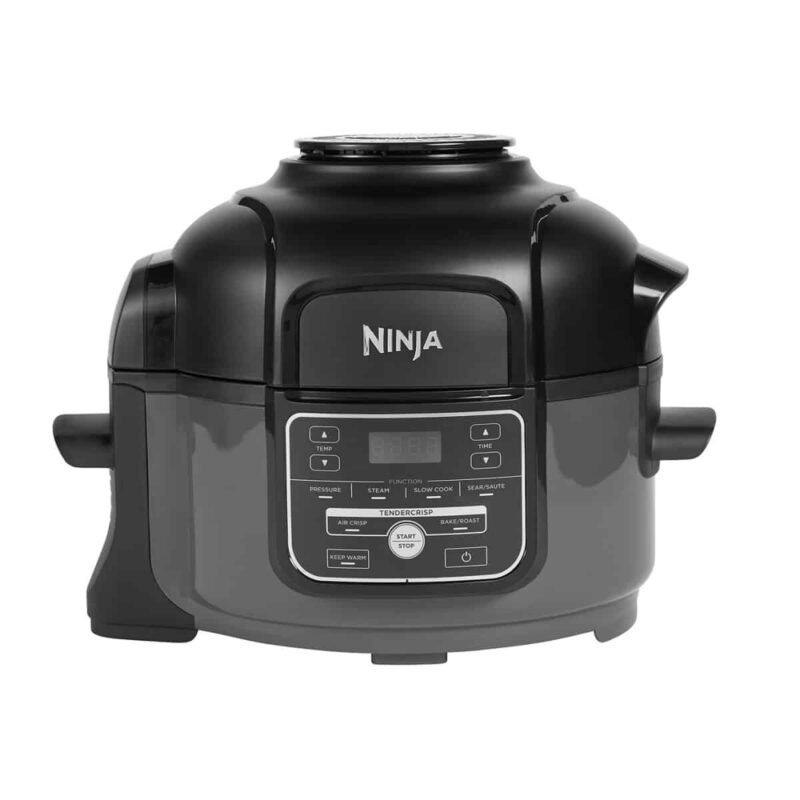
Ninja OP100EU sits in the “cook real food, not just snacks” category, and its published specs point to a practical everyday workflow: 4.7 L capacity, a control system that favors repeatable settings, and a layout built around fast-moving hot air. This review is written from the perspective of how the design is intended to work and how typical foods behave in appliances with comparable heat and airflow patterns—without pretending personal lab testing.
Before you click “buy”, scan the listing for a few decision-checks:
- Confirm the exact variant you need
- Check recent reviews for your use case
- Look at returns/warranty to reduce risk
Below you’ll find verified specifications, model-specific strengths, a deep cooking playbook, and a big recipe list so you can make the most of the machine from day one.
Quick Verdict
If your goal is crispy textures with less oil and a workflow that’s faster than a full-size oven, Ninja OP100EU is positioned to deliver—provided you size your batches to let air circulate.
Open 2–3 listings and compare the same criteria (variants, returns, reviews).
- Best overall: Aigostar 30L Air Fryer Oven
- Best value: Ninja AF100EU Air Fryer
- Upgrade pick: Xiaomi Mi Smart Air Fryer 3.5L
Who it’s for
- Home cooks who want weeknight crisping, roasting, and reheating in one countertop tool.
- People who prefer a repeatable routine: set heat, set time, check once, finish strong.
- Anyone who cooks foods that love moving air—fries, wings, vegetables, and breaded items.
Who it’s not for
- Anyone expecting deep-frying results without learning batch size and surface-drying basics.
- Cooks who want unlimited capacity for large gatherings in a single cycle.
- People who dislike fan noise or prefer silent, slow-cooking methods.
Verified Specs Table
| Pot Capacity | 4.7 L |
|---|---|
| Power | 1460 W |
| Pre-Set Functions | 6 |
| Dishwasher-Safe Components | Yes |
| Product Weight | 9.07 kg |
| Product Dimensions | 32 × 35 × 38 cm |
What Makes This Model Different
Every air-frying appliance lives or dies by three fundamentals: usable food space, heat delivery, and airflow geometry. Ninja OP100EU differentiates itself through a set of choices that shape how you cook day to day.
- TenderCrisp-style finishing in a smaller footprint
- 4.7L pot that fits small households
- Six presets that cover daily staples
- A good ‘one appliance’ choice when counter space is limited
The practical takeaway: treat it like a small convection oven that rewards dryness, spacing, and smart timing. Do those three things and you’ll consistently get better browning than a crowded sheet pan in a big oven.
If this sounds like you, start here and compare the details that matter to you.
Check on AmazonCooking Performance Deep Dive
Heat delivery and recovery
When you load cold food, the internal temperature drops and then rebounds as the heater and fan bring things back to target. Higher wattage generally helps recovery speed, but surface area and airflow matter just as much. For this model, the verified power spec suggests it can handle typical “basket air fryer” tasks—crispy sides, quick proteins, and reheats—without feeling sluggish, as long as you don’t overload the basket.
Airflow, browning, and the ‘single-layer’ rule
Hot air needs access to the surface to evaporate moisture and set a crust. If you pile food too high, the top layer steams the bottom layer and you’ll see patchy color. The best workflow is to cook in one layer whenever possible, or to shake/turn at least once so surfaces take turns facing the airflow.
Open the listing, check compatibility/size + latest reviews, and you’ll know quickly if it fits your needs.
Check on AmazonMoisture management
Crisp texture is mostly moisture management. Pat proteins dry, rinse-and-dry potatoes thoroughly, and add sauces late. If you glaze early, sugar can darken before the interior is ready, forcing you to choose between burning and undercooking.
Batch strategy (the ‘two-pass’ approach)
For the crispiest fries, wings, and breaded snacks, a two-pass method often wins: cook at a moderate temperature to drive off moisture, then finish hotter to set the crust. It’s a repeatable trick that works across most fan-driven hot-air cookers.
Want the fastest next step? Open one solid option and verify the key details in seconds.
Cooking Time & Temperature Guide
Use this as a starting point, then adjust based on thickness, how full the basket is, and whether food starts frozen or chilled. When in doubt: shorten the first attempt and add time in small increments.
| Food | Temp | Time | Adjustment rule |
|---|---|---|---|
| Frozen fries | 200–205°C | 12–20 min | Shake twice; salt after cooking. |
| Fresh fries (par-cooked) | 180°C then 200°C | 10–14 + 6–8 min | Two-stage cook improves crunch. |
| Chicken wings | 200–210°C | 18–26 min | Dry well; flip once for even browning. |
| Chicken thighs | 190–200°C | 18–24 min | Cook until juices run clear and meat is hot throughout. |
| Salmon fillet | 180–190°C | 8–12 min | Brush with oil; don’t overcook. |
| Roasted vegetables | 190–200°C | 10–18 min | Cut evenly; oil lightly to prevent dryness. |
| Reheat pizza | 160–175°C | 3–6 min | Use short bursts to avoid over-drying. |
| Cookies (small batch) | 160–170°C | 7–10 min | Chill dough; rotate tray/position. |
Adjustment rules that actually work
- Crowded basket: add time, not temperature, and shake more often.
- Thicker pieces: lower heat slightly and extend time so the center catches up.
- Sugary glazes: apply in the last 2–4 minutes to avoid scorching.
- From frozen: expect longer cook time and better results with mid-cook agitation.
- After cooking: rest 2–3 minutes so steam escapes and crust sets.
30+ Recipes That Suit Ninja OP100EU
These ideas are designed to fit the airflow-first style of cooking. Treat the times as starting points, then tune them to your portion size and preferred browning level.
Before you click “buy”, scan the listing for a few decision-checks:
- Confirm the exact variant you need
- Check recent reviews for your use case
- Look at returns/warranty to reduce risk
1. Pressure-cook chili, then crisp the top with air fry finish
How to run it: 205°C for 6–10 min. Keep pieces evenly sized so they finish together. Pair with a simple salad and you have an easy dinner.
2. TenderCrisp chicken drumsticks
How to run it: 180°C for 10–15 min. Keep pieces evenly sized so they finish together. A tablespoon of grated cheese at the end turns it into snack food.
Open 2–3 listings and compare the same criteria (variants, returns, reviews).
- Best overall: Russell Hobbs 23410-56 Air Fryer
- Best value: Black+Decker AF400-B5 Air Fryer
- Upgrade pick: Instant Pot Duo Crisp + Air Fryer
3. One-pot butter chicken with crisped cauliflower side
How to run it: 180°C for 10–15 min. Shake once mid-cook for more even browning. Use the drippings as a quick pan sauce if your setup allows it.
4. Pressure-cooked short ribs, finished to a lacquered crust
How to run it: 210°C for 6–10 min. Use a light oil mist for better color without greasiness. Use the drippings as a quick pan sauce if your setup allows it.
If this sounds like you, start here and compare the details that matter to you.
Check on Amazon5. Crispy rosemary potato wedges
How to run it: 205°C for 12–18 min. Rest briefly before serving so the crust stays crisp. Use the drippings as a quick pan sauce if your setup allows it.
6. Garlic-parmesan green beans
How to run it: 200°C for 18–24 min. Add herbs and acids after cooking to keep flavours bright. Use the drippings as a quick pan sauce if your setup allows it.
Open the listing, check warranty + returns policy, and you’ll know quickly if it fits your needs.
Check on Amazon7. Miso-glazed salmon bites
How to run it: 190°C for 18–24 min. Keep pieces evenly sized so they finish together. Serve with a yogurt dip or a quick spicy mayo for contrast.
8. Smoky paprika chicken thighs
How to run it: 210°C for 10–15 min. Use a light oil mist for better color without greasiness. Finish with flaky salt and a squeeze of lemon for lift.
Want the fastest next step? Open one solid option and verify the key details in seconds.
9. Honey-lime corn ribs
How to run it: 180°C for 8–12 min. Shake once mid-cook for more even browning. Finish with flaky salt and a squeeze of lemon for lift.
10. Za’atar cauliflower florets
How to run it: 180°C for 6–10 min. Shake once mid-cook for more even browning. Serve with a yogurt dip or a quick spicy mayo for contrast.
Before you click “buy”, scan the listing for a few decision-checks:
- Confirm the exact variant you need
- Check recent reviews for your use case
- Look at returns/warranty to reduce risk
11. Crisp tofu katsu strips
How to run it: 180°C for 6–10 min. Keep pieces evenly sized so they finish together. Use the drippings as a quick pan sauce if your setup allows it.
12. Lemon-pepper shrimp skewers
How to run it: 205°C for 12–18 min. Rest briefly before serving so the crust stays crisp. Finish with flaky salt and a squeeze of lemon for lift.
Open 2–3 listings and compare the same criteria (variants, returns, reviews).
- Best overall: Ninja AF100EU Air Fryer
- Best value: Sage BAF600UK The Smart Oven Air Fryer
- Upgrade pick: Russell Hobbs 23410-56 Air Fryer
13. Harissa chickpeas with onions
How to run it: 210°C for 10–15 min. Keep pieces evenly sized so they finish together. Use the drippings as a quick pan sauce if your setup allows it.
14. Sesame Brussels sprouts
How to run it: 210°C for 10–15 min. Add herbs and acids after cooking to keep flavours bright. Finish with flaky salt and a squeeze of lemon for lift.
15. BBQ chicken wings
How to run it: 180°C for 18–24 min. Shake once mid-cook for more even browning. Finish with flaky salt and a squeeze of lemon for lift.
16. Cinnamon apple chips
How to run it: 205°C for 18–24 min. Rest briefly before serving so the crust stays crisp. Pair with a simple salad and you have an easy dinner.
17. Stuffed mini peppers
How to run it: 200°C for 12–18 min. Add herbs and acids after cooking to keep flavours bright. A tablespoon of grated cheese at the end turns it into snack food.
18. Panko-crusted cod
How to run it: 205°C for 10–15 min. Keep pieces evenly sized so they finish together. Serve with a yogurt dip or a quick spicy mayo for contrast.
19. Gochujang roasted carrots
How to run it: 190°C for 12–18 min. Rest briefly before serving so the crust stays crisp. A tablespoon of grated cheese at the end turns it into snack food.
20. Mediterranean halloumi bites
How to run it: 200°C for 12–18 min. Use a light oil mist for better color without greasiness. Serve with a yogurt dip or a quick spicy mayo for contrast.
21. Feta-tomato bruschetta toasts
How to run it: 180°C for 18–24 min. Rest briefly before serving so the crust stays crisp. Use the drippings as a quick pan sauce if your setup allows it.
22. Crispy gnocchi with pesto drizzle
How to run it: 210°C for 8–12 min. Add herbs and acids after cooking to keep flavours bright. A tablespoon of grated cheese at the end turns it into snack food.
23. Turkey meatball sliders
How to run it: 180°C for 8–12 min. Keep pieces evenly sized so they finish together. A tablespoon of grated cheese at the end turns it into snack food.
24. Cajun sweet potato fries
How to run it: 210°C for 6–10 min. Use a light oil mist for better color without greasiness. Pair with a simple salad and you have an easy dinner.
25. Balsamic mushroom ‘steaks’
How to run it: 190°C for 18–24 min. Shake once mid-cook for more even browning. Serve with a yogurt dip or a quick spicy mayo for contrast.
26. Crispy falafel nuggets
How to run it: 210°C for 12–18 min. Keep pieces evenly sized so they finish together. Serve with a yogurt dip or a quick spicy mayo for contrast.
27. Shawarma-spiced chicken chunks
How to run it: 210°C for 6–10 min. Add herbs and acids after cooking to keep flavours bright. A tablespoon of grated cheese at the end turns it into snack food.
28. Crisp-edged breakfast potatoes
How to run it: 205°C for 8–12 min. Rest briefly before serving so the crust stays crisp. Use the drippings as a quick pan sauce if your setup allows it.
29. Cheesy broccoli tots
How to run it: 180°C for 10–15 min. Add herbs and acids after cooking to keep flavours bright. Finish with flaky salt and a squeeze of lemon for lift.
30. Teriyaki pineapple pork bites
How to run it: 200°C for 6–10 min. Use a light oil mist for better color without greasiness. Serve with a yogurt dip or a quick spicy mayo for contrast.
31. Ranch zucchini coins
How to run it: 180°C for 10–15 min. Add herbs and acids after cooking to keep flavours bright. Use the drippings as a quick pan sauce if your setup allows it.
32. Churro-style cinnamon twists
How to run it: 180°C for 18–24 min. Rest briefly before serving so the crust stays crisp. Finish with flaky salt and a squeeze of lemon for lift.
33. Peach crumble cups
How to run it: 205°C for 6–10 min. Rest briefly before serving so the crust stays crisp. Serve with a yogurt dip or a quick spicy mayo for contrast.
34. Tandoori paneer bites
How to run it: 205°C for 8–12 min. Rest briefly before serving so the crust stays crisp. Serve with a yogurt dip or a quick spicy mayo for contrast.
35. Korean crispy cauliflower
How to run it: 180°C for 10–15 min. Shake once mid-cook for more even browning. Serve with a yogurt dip or a quick spicy mayo for contrast.
36. Sage brown-butter ravioli crisps
How to run it: 210°C for 18–24 min. Keep pieces evenly sized so they finish together. Pair with a simple salad and you have an easy dinner.
Foodie Techniques
Dry surfaces = better crust
Patting food dry sounds minor, but it changes outcomes. Moisture has to evaporate before browning begins, so a dry surface gets you to the crisp phase faster.
Starch management for fries
If you cut fresh potatoes, rinse until the water runs clearer, then dry aggressively. Less surface starch means less gluey steaming and more crunchy edges.
Seasoning strategy
Salt pulls moisture. When you want maximum crispness, cook first and salt after. For rubs, apply dry spices early and reserve sticky sauces for the final minutes.
Smart layering
If your food absolutely must stack, use a rack designed for airflow and rotate positions mid-cook. The goal is to prevent one layer from becoming a steam bath for another.
Cleaning & Maintenance
Good air-fryer results depend on clean airflow paths. Grease film can increase smoke, dull flavours, and make the appliance harder to live with.
- After each cook: let the unit cool, then wash the removable parts with warm soapy water; wipe the interior with a damp cloth.
- Weekly: check vents and corners for baked-on drips. A soft brush helps without damaging coatings.
- Coating care: avoid metal tools; silicone tongs and a soft sponge preserve the nonstick surface longer.
- Odour control: clean promptly after fatty cooks, especially wings and sausages, where drips can burn.
Troubleshooting
Most air-fryer problems come down to basket load, surface moisture, or temperature strategy. Use these fixes to get back to crisp, even results.
Food looks pale
Increase heat slightly and avoid crowding; a light oil mist and a dry surface help browning.
Food is crisp outside but undercooked inside
Lower temperature and extend time; cut pieces smaller or finish with a short rest.
Steam makes fries soft
Shake mid-cook, cook in smaller batches, and salt after cooking so moisture stays low.
Smoke or strong запах
Clean grease from the drawer/pan, avoid excess oil, and keep fatty foods on a rack when possible.
Uneven cooking
Rotate or shake, and place thicker pieces toward the hotter airflow path.
Food sticks
Preheat briefly, use a light oil mist, and ensure coatings set before flipping.
Dry chicken breast
Use a brine or yogurt marinade, cook to temperature, then rest before slicing.
Burning edges on small foods
Use a perforated liner or lightly tent with foil; reduce time and check early.
Fan noise seems louder
Confirm nothing is touching the fan path; re-seat the basket/drawer and remove loose paper.
Buttons feel unresponsive
Let the panel cool, wipe away grease film, and ensure hands are dry.
Basket won’t slide in smoothly
Check crisper plate alignment and make sure the drawer rails are clean.
‘Plastic’ smell on first uses
Run a short high-heat cycle empty, then wash removable parts and air out.
Food dries during reheat
Use a lower temp with shorter bursts, and add a tiny splash of water for bread-heavy foods.
Seasonings blow around
Use toothpicks for light toppings and apply dry seasonings after the first crisping phase.
Outside appliance gets hot
Leave clearance around vents and avoid blocking exhaust; heat is normal but airflow is essential.
Burnt drips
Add a little water beneath fatty foods or use a drip liner designed for hot air circulation.
Comparisons
Alternatives are worth considering when your priorities shift—capacity, automation, two-zone cooking, or outdoor flavour. Here are practical cross-shops.
Ninja OP500EU (7.5L)
Move up if you batch cook stews, soups, or braises and want headroom.
Ninja AF140EU (4.7L basket)
If you don’t need pressure cooking, a basket model is easier day to day.
Compact air fryers
If you only reheat and crisp snacks, a small dedicated air fryer can be cheaper and lighter.
FAQ
The format below is intentionally direct so it’s easy to scan, save, and revisit.
Do I need to preheat this model?
For frozen snacks and thin proteins, preheating is optional. For bakery-style items or when you want deep browning, a short preheat improves consistency.
How much oil should I use?
A light mist is usually enough. Too much oil can drip, smoke, and soften the crust.
Can I cook from frozen?
Yes. Frozen fries, nuggets, and vegetables typically work well; expect a longer cook than chilled food and shake mid-way.
What’s the best way to keep food crisp?
Cook in a single layer when possible, shake or turn half-way, and let food rest briefly on a rack instead of stacking.
Can I use parchment paper?
Use perforated liners or cut parchment so airflow can move. Always keep it weighed down by food so it doesn’t lift into the heater.
Is foil safe?
Foil is fine when it doesn’t block circulation. Avoid covering the entire basket base; use it as a partial shield or drip guard.
Can I reheat pizza?
Yes—use a moderate temperature and short bursts to re-crisp the base without drying the toppings.
How do I prevent smoke with fatty foods?
Trim excess fat, clean after greasy cooks, and consider a little water beneath the drips if your design allows.
What internal temps should I aim for?
Use standard food-safety targets: poultry 74°C/165°F, most fish around 63°C/145°F, and reheat leftovers until hot throughout.
Why does food cook faster than an oven?
The chamber is smaller and hot air moves directly over the surface, so heat transfer is efficient.
Do I need to flip everything?
Not always, but turning thicker items improves evenness. Fries and vegetables benefit from shaking.
Can I bake in it?
Many models handle small bakes well—think muffins, hand pies, and single-layer tray bakes.
Are dishwasher-safe parts truly safe?
If the manufacturer states they are, yes. Hand washing usually preserves coatings longer.
How do I clean baked-on residue?
Soak removable parts in warm soapy water, then use a soft brush. Avoid abrasive pads on nonstick.
Can I cook a whole chicken?
Only if it fits with clearance around it for airflow. Spatchcocking often helps in basket-style designs.
How do I stop food from drying out?
Use lower heat, shorten time, and add a sauce or glaze at the end rather than the beginning.
Is it loud?
Fan-based appliances make audible airflow noise. Keep it on a stable surface to reduce vibration.
Can I stack food?
A second rack can help when designed for it, but expect slightly less crisping on crowded loads.
Do I need special accessories?
Not required, but a rack, tongs, and a perforated liner can make daily cooking smoother.
What does ‘dehydrate’ mean here?
It’s a low-and-slow airflow mode for dried fruit, herbs, or jerky-style textures.
How do I get restaurant-style fries?
Rinse and dry potatoes thoroughly, par-cook at a lower temp, then finish hotter for crunch.
Why are my wings not crisp?
Dry them well, cook hot, and consider a baking-powder dry rub for extra surface texture.
Can I cook vegetables without them shriveling?
Use slightly larger cuts and add oil sparingly; finish with acids like lemon after cooking.
How do I keep breaded coatings from falling off?
Press crumbs firmly, chill briefly, then cook without flipping too early.
What’s the best way to cook fish?
Use a moderate temp and avoid overcooking; a light oil coat prevents sticking and tearing.
How do I handle leftovers safely?
Cool quickly, refrigerate promptly, and reheat until steaming hot in the thickest part.
Can I cook desserts?
Yes—cookies, fruit crisps, and small cakes are common wins when you size them to the basket/pan.
What should I avoid cooking?
Very wet batters that drip and extremely lightweight toppings that could lift into the heater.
How do I reduce odours?
Clean filters and trays regularly, wipe the interior, and run a short heat cycle with the basket empty.
What if my food browns too quickly?
Lower temperature, shorten time, and move sugary glazes to the final minutes.
Buyer Guidance
Size it to your real life
Capacity is useful, but usable surface area matters more for crisping. If you frequently cook proteins and sides together, consider whether you’ll be running multiple cycles. For this model, plan around realistic, single-layer portions for your most common meals.
Look for the right accessories
A perforated liner (or perforated parchment), silicone-tipped tongs, and a small rack can make daily cooking smoother. If your household leans into wings, a rack that lifts food improves airflow and reduces sogginess.
Energy and timing
Fan-driven hot-air cooking is often quicker than a conventional oven for small-to-medium batches because the chamber is smaller and heat hits food directly. The biggest time savings usually come from skipping long preheats and reducing total bake time for sides.
Common search phrases people use
- Ninja OP100EU review
- Ninja OP100EU capacity
- Ninja OP100EU wattage
- how to cook wings in Ninja OP100EU
- best fries settings for Ninja OP100EU
- Ninja OP100EU temperature range
- Ninja OP100EU cleaning tips
- Ninja OP100EU troubleshooting
- Ninja OP100EU recipes
- Ninja OP100EU vs alternatives
- Ninja OP100EU reheat pizza
- Ninja OP100EU frozen fries time
- Ninja OP100EU chicken thighs time
- Ninja OP100EU dehydrate fruit
- Ninja OP100EU bake cookies
- is Ninja OP100EU dishwasher safe
- Ninja OP100EU basket size
- Ninja OP100EU for family meals
- Ninja OP100EU crisping tips
- how to prevent smoke in Ninja OP100EU
- Ninja OP100EU settings guide
- Ninja OP100EU quick meals
- Ninja OP100EU energy use
- Ninja OP100EU accessories
- Ninja OP100EU cooking chart
Conclusion
Ninja OP100EU is best approached as a crisping tool with convection speed: dry the surface, don’t overload, and finish hot when you want colour. Follow that playbook and you’ll get reliably satisfying texture from everyday foods—whether that’s fries on a Tuesday or a full dinner built around roasted vegetables and juicy protein.
If you want the appliance to feel “easy,” build a short list of go-to timings you repeat weekly. Consistency is where these machines shine, and it’s how you turn a new air fryer into a habit rather than a gadget.